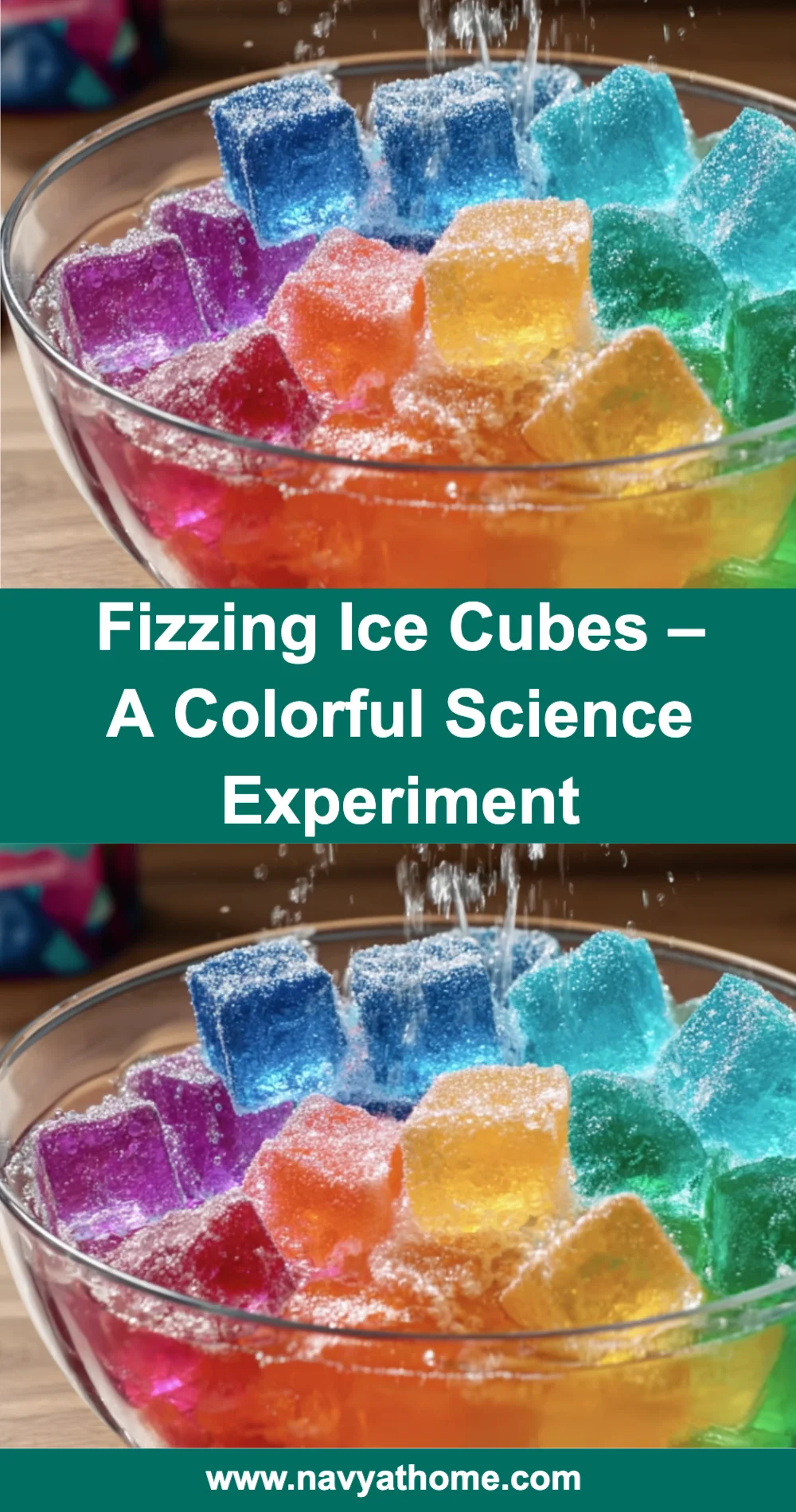
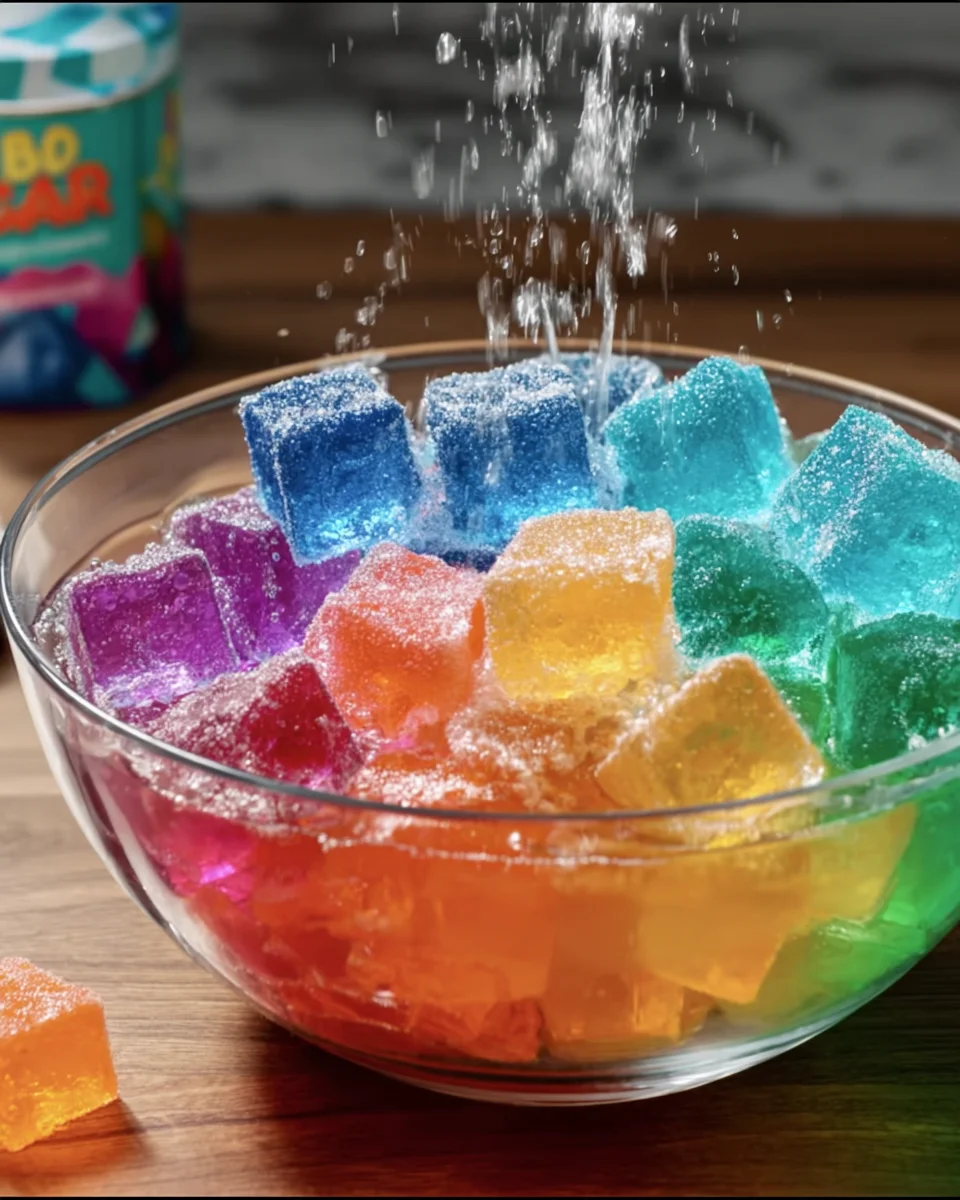
Fizzing ice cubes are a fun and engaging science experiment that captivates both kids and adults alike. This colorful activity combines baking soda and vinegar to create an exciting fizzing reaction, resulting in a vibrant display of colors. Perfect for a hands-on learning experience, fizzing ice cubes introduce basic chemical reactions in an entertaining way.
| Prep Time | Cook Time | Total Time | Servings | Difficulty | Cuisine |
|---|---|---|---|---|---|
| 10 minutes | 0 minutes | 4-6 hours (freezing) | Varies | Easy | American |
Why This Recipe Works
This recipe works because it showcases a simple yet fascinating chemical reaction between baking soda and vinegar. When combined, these ingredients produce carbon dioxide gas, which creates the fizzing effect. My first experience with fizzing ice cubes was nothing short of magical as the colorful eruptions captivated everyone around. It’s an excellent visual demonstration of a chemical change in action.
Moreover, the artistic aspect of adding food coloring allows for creativity. The vibrant colors transform mundane ice cubes into a delightful science project that encourages exploration and experimentation. Each time I performed this experiment, I was amazed at how different combinations of colors and vinegar quantities resulted in unique and exciting reactions.
Ingredients
| Ingredient | Quantity | Notes |
|---|---|---|
| Baking soda | 1 cup | Standard baking soda; no substitutes needed. |
| White vinegar | 1 cup | Any white vinegar works; apple cider vinegar can alter the reaction slightly. |
| Food coloring | Various colors | Use gel or liquid food coloring for best results. |
| Water | 2 cups | Tap water is sufficient; distilled is optional. |
| Ice cube tray | 1 | Regular or silicone trays both work well. |
| Small bowls or cups | As needed | Choose clear containers to view the reaction. |
Step-by-Step Instructions
-
Prepare the Ice Cubes:
In a large bowl, mix 2 cups of water with 1 cup of baking soda until fully dissolved. This will create a baking soda solution. Divide the solution evenly into the compartments of an ice cube tray.
-
Add Food Coloring:
Add a few drops of different food coloring to each compartment of the ice cube tray. You can create patterns or mix colors for a fun effect.
-
Freeze the Ice Cubes:
Place the ice cube tray in the freezer and let it freeze for at least 4-6 hours or until completely solid.
-
Create the Fizzing Reaction:
Once the ice cubes are frozen, remove them from the tray and place them in small bowls or cups.
-
Pour the Vinegar:
Slowly pour white vinegar over the ice cubes. Watch as the vinegar reacts with the baking soda, creating a fizzy, colorful eruption!
-
Experiment and Enjoy:
Try adding different amounts of vinegar to see how it affects the fizzing. You can also mix different colored ice cubes together for a vibrant display.
Chef Tips for Perfect Results
- Ensure the baking soda is thoroughly dissolved in water to avoid any clumps in the ice cubes.
- Use a variety of food coloring to create a more visually stunning reaction.
- Experiment with different vinegar amounts to see how it affects the fizzing intensity.
- Try using different shaped ice cube trays for varied ice cube sizes and aesthetics.
- Consider using clear bowls to enhance visibility of the bubbling reaction.
Common Mistakes to Avoid
- Not dissolving the baking soda completely can result in uneven fizzing. Always mix well.
- Using too much vinegar can lead to overflow; start with a small amount and increase as needed.
- Freezing for too short a time can result in partially frozen cubes that are difficult to remove.
- Using opaque containers prevents seeing the reaction; opt for clear bowls for the best experience.
- Not allowing enough time for creativity can lead to rushed results; plan ahead to maximize fun.
Variations and Substitutions
| Ingredient | Substitution | Impact on Flavor |
|---|---|---|
| Baking soda | None | No alternatives available. |
| White vinegar | Apple cider vinegar | May alter the smell slightly but will still fizz. |
| Food coloring | Natural dyes | Color intensity may vary; results can be less vibrant. |
Serving Suggestions and Pairings
Fizzing ice cubes make a fantastic addition to birthday parties, science fairs, or educational workshops. They can also be paired with themed snacks like Super Bowl snacks or colorful cakes to enhance the overall festive atmosphere. Kids love to showcase their experiments while enjoying treats!
Storage and Reheating
| Method | Duration | Instructions |
|---|---|---|
| Freezer | Up to 1 month | Store ice cubes in an airtight container to prevent odors. |
| Room Temperature | 1 hour | Once removed from the freezer, use immediately for best results. |
Nutritional Information
| Nutrient | Amount per Serving |
|---|---|
| Calories | 0 |
| Sodium | 0 mg |
| Sugars | 0 g |
| Total Fat | 0 g |
| Total Carbohydrates | 0 g |
Frequently Asked Questions
Can I substitute baking soda with anything else?
No, baking soda is essential for creating the fizzing reaction. Other substances will not produce the same results.
Can I prepare the ice cubes ahead of time?
Yes, you can prepare the ice cubes a day or two in advance. Just store them in the freezer until you’re ready to use them.
What should I do if the ice cubes won’t come out of the tray?
Run warm water over the bottom of the ice cube tray for a few seconds. This will help loosen the ice cubes for easy removal.
How can I make this experiment more educational?
You can discuss the science behind the reaction, such as acid-base reactions, before starting the experiment. This adds an educational layer to the fun.
Are there any other variations I can try?
Yes, consider using flavored soda or sparkling water in place of vinegar for a different fizz experience. Just ensure the reaction is safe and monitored.
Conclusion
Fizzing ice cubes are not just a colorful science experiment; they also provide an engaging way to learn about chemical reactions. The combination of baking soda and vinegar creates a visually stunning display that invites curiosity and creativity. For more delicious recipes, check out homemade rock candy or blueberry swirl yogurt bites for treats you will love!
Fizzing Ice Cubes
Ingredients
Equipment
Method
- Step 1: In a large bowl, mix 2 cups of water with 1 cup of baking soda until fully dissolved. This will create a baking soda solution. Divide the solution evenly into the compartments of an ice cube tray.
- Step 2: Add a few drops of different food coloring to each compartment of the ice cube tray. You can create patterns or mix colors for a fun effect.
- Step 3: Place the ice cube tray in the freezer and let it freeze for at least 4-6 hours or until completely solid.
- Step 4: Once the ice cubes are frozen, remove them from the tray and place them in small bowls or cups.
- Step 5: Slowly pour white vinegar over the ice cubes. Watch as the vinegar reacts with the baking soda, creating a fizzy, colorful eruption!
- Step 6: Try adding different amounts of vinegar to see how it affects the fizzing. You can also mix different colored ice cubes together for a vibrant display.
Notes